
Injured on Vacation? A Visitor’s Guide to O’ahu Rental Car Accident Claims
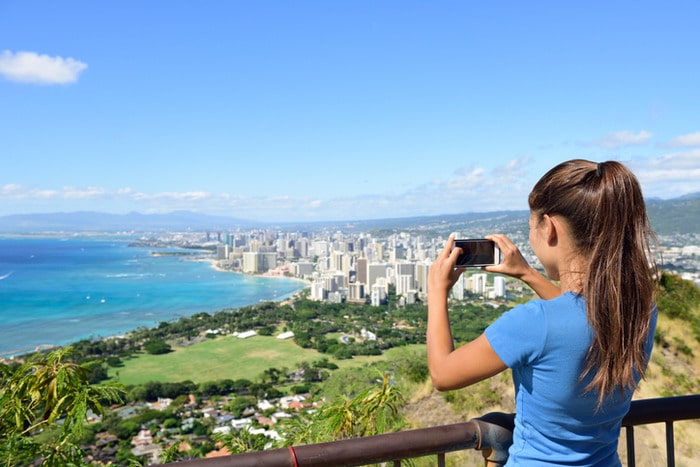
You saved for years for your O’ahu getaway—envisioning sunset dinners in Waikīkī and snorkeling at Hanauma Bay—only for it to be cut short by a distracted driver on Kalākaua Avenue. Now, instead of relaxing, you are back home in California, Washington, or even as far as Japan, dealing with a rental car company’s damage claims and rising medical bills. You may be asking: Can I still file a claim if I don’t live in Hawaii?
The answer is a resounding yes, but the legal “plumbing” of a tourist accident is significantly more complex than a standard fender-bender back home.
The Jurisdiction Advantage: Why Hawaii Law Governs Your Recovery
Regardless of where you live, if your injury occurred on the streets of Honolulu, Hawaii Law (lex loci delicti) governs your case. This is a critical distinction because Hawaii’s legal landscape in 2026 offers specific protections and hurdles that do not exist on the mainland.
For instance, Hawaii follows a “Modified Comparative Negligence” rule. This means you can still recover compensation even if you were partially at fault for the accident, provided your fault is not greater than 50%. However, trying to explain these nuances to an adjuster from a mainland insurance office is nearly impossible without local representation. Hiring a Honolulu personal injury lawyer gives you a “boots on the ground” advocate who understands the specific traffic patterns of the H-1 and the local rulings of the First Circuit Court on Punchbowl Street.
The Rental Insurance “Shell Game”: Who Pays First?
One of the biggest headaches for injured visitors is the “Priority of Coverage.” Between your personal auto policy from home, your credit card’s collision damage waiver (CDW), and the rental agency’s supplemental liability insurance (SLI), figuring out who is primary can feel like a shell game.
In 2026, Hawaii’s No-Fault (PIP) rules generally dictate that the Personal Injury Protection (PIP) attached to the vehicle you occupied is the first source of medical coverage. If you were a passenger in a Hertz or Enterprise rental, that vehicle’s policy should cover your initial $10,000 in medical treatment.
However, rental companies often try to point fingers at your home policy to avoid paying. A personal injury lawyer in Honolulu untangles this mess, ensuring your medical bills are paid promptly by the correct carrier so you aren’t hounded by Honolulu hospitals while trying to recover in a different time zone.
The Graves Amendment: Can You Sue the Rental Company?
A common question we hear is: “The car was owned by a massive rental corporation; can I sue them directly?”
Under a federal law known as the Graves Amendment (49 U.S.C. § 30106), rental companies are generally shielded from “vicarious liability.” This means you cannot sue the rental company just because they own the car that hit you. To hold the rental company responsible, you must prove independent negligence, such as:
- Negligent Maintenance: The company rented out a vehicle with balding tires or faulty brakes.
- Negligent Entrustment: They rented a high-performance vehicle to someone without a valid driver’s license.
We investigate these “hidden” avenues of liability that a general practice lawyer back in your home state might overlook.
Handling Your Case Remotely: The “No-Fly” Legal Strategy
Many tourists fear that filing a lawsuit in Hawaii means they will have to fly back to Honolulu constantly for meetings and hearings. In the 2026 digital legal environment, this is rarely the case.
Our firm utilizes secure virtual depositions and remote conferencing to manage your case while you remain in the comfort of your home. We coordinate with your local doctors on the mainland to gather the necessary medical evidence, then present that data to the Hawaii-based insurance adjusters. We handle all the heavy lifting in the First Circuit Court, so you only have to return to the islands if your case proceeds to a full jury trial—which is rare when a personal injury lawyer in Honolulu has built a “10/10” evidentiary file.
3 Mistakes Tourists Make After a Honolulu Crash
- Assuming Your Health Insurance is Primary: In Hawaii, your PIP (No-Fault) is usually primary for car accidents. If you use your mainland health insurance first, they may eventually place a lien on your settlement, reducing your take-home pay.
- Waiting Until You Get Home to See a Doctor: If you wait until you fly back to Seattle or San Francisco to see a doctor, the insurance company will argue your injury happened during the flight or at home, not in the accident.
- Trusting the Rental Counter “Claims Form”: The forms the rental agent asks you to sign at the airport are designed to protect the company, not you. Never admit fault or sign a “release of all claims” without consulting a personal injury lawyer in Honolulu.