
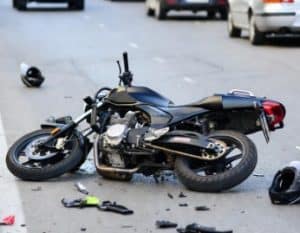
 Motorcycle accidents in Honolulu often leave riders facing serious injuries, mounting medical bills, and sudden changes to their daily lives. With congested city streets, unpredictable traffic patterns, and tourists who may not be familiar with local roads, motorcycle collisions are not uncommon. When a negligent driver causes an accident, you should not be left to handle the financial and emotional fallout on your own.
If you were injured in a motorcycle accident anywhere on Oʻahu, you may be wondering what types of compensation you can recover. The answer depends on your injuries, your long term medical needs, and how the crash has affected your life. This guide breaks down the categories of compensation available to motorcycle riders under Hawaiʻi law and explains how a Honolulu motorcycle accident lawyer at Potts and Potts can help you pursue a full and fair recovery.
Understanding Compensation After a Motorcycle Accident
Compensation in a motorcycle accident claim is meant to make you financially whole again. While no amount of money can undo the pain of a serious injury, fair compensation can help you cover your losses, regain stability, and move forward. In Hawaiʻi, accident victims may be entitled to both economic and non economic damages.
Economic damages cover your financial losses, while non economic damages address the harm that cannot be measured in dollars alone. In certain cases, punitive damages may also be available if a driver acted with extreme recklessness or outright disregard for others.
Medical Expenses: One of the Most Important Forms of Compensation
Motorcycle accidents often result in severe injuries because riders lack the protection of a vehicle frame. Even low speed crashes can cause significant trauma. Medical expenses are typically one of the largest categories of compensation riders pursue.
You may be able to recover compensation for:
- Emergency room care and ambulance transportation
- Hospitalization and surgeries
- Diagnostic tests including MRIs and CT scans
- Follow up visits and specialist appointments
- Physical therapy and rehabilitation
- Chiropractic care or pain management treatment
- Prescription medications and medical equipment
- Future medical care expected months or years down the line
Because motorcycle collisions can cause long term injuries such as brain trauma, spinal damage, and chronic pain, future medical costs often make up a significant portion of a claim. National research from sources like the Centers for Disease Control and Prevention further highlights the medical impact of motorcycle crashes and the long recovery many riders face.
Compensation for Lost Income and Reduced Earning Capacity
Injuries often prevent riders from returning to work right away. Whether you are out for a few weeks or permanently unable to return to your prior job, you may be entitled to compensation for lost income.
You can seek compensation for:
- Wages lost while recovering
- Lost overtime, bonuses, or tips
- Lost future income if you cannot return to your previous job
- Loss of earning capacity if your injuries limit your career options
Motorcycle injuries such as traumatic brain injuries, spinal cord damage, and severe orthopedic injuries often lead to long term limitations. An attorney can work with medical and vocational experts to calculate how your ability to work has changed and ensure your claim reflects those long term impacts.
Pain and Suffering Compensation After a Motorcycle Crash
Not all effects of a motorcycle accident are visible on the outside. Pain, discomfort, emotional distress, and reduced quality of life can be overwhelming.
Non economic damages may compensate you for:
- Physical pain and chronic discomfort
- Emotional distress, anxiety, or depression
- Post traumatic stress disorder (PTSD)
- Loss of enjoyment of life
- Sleep problems or long term physical limitations
- Scarring or disfigurement
These damages are subjective but critical. A dedicated attorney can help clearly explain to the insurance company or the court how your life has changed and why you deserve full compensation for your suffering.
Property Damage: Repairing or Replacing Your Motorcycle
Motorcycles are often severely damaged or totaled in collisions because they offer little protection during impact. Compensation may include:
- Repair or replacement of your motorcycle
- Replacement of riding gear such as helmets, jackets, and gloves
- Replacement of damaged personal property carried during the ride
- Rental vehicle costs while your motorcycle is being repaired
Even if your motorcycle can be repaired, diminished value may also be part of your claim if the bike is worth significantly less after the crash.
Wrongful Death Compensation After a Fatal Motorcycle Accident
Tragically, motorcycle accidents can be fatal due to the lack of rider protection. Families who lose loved ones may be eligible to pursue a wrongful death claim. Damages may include:
- Funeral and burial expenses
- Loss of financial support
- Loss of companionship and guidance
- Emotional suffering experienced by surviving family members
While financial recovery can never replace a life, a wrongful death claim can help families remain financially stable during a devastating time.
Punitive Damages in Rare Cases
Hawaiʻi law allows punitive damages in limited situations where the at fault party acted with extreme recklessness or intentional misconduct. Examples include racing, drunk driving, or fleeing the scene of a crash. These damages are meant to punish dangerous behavior and deter others from similar conduct.
Although punitive damages are rare, they can significantly increase the value of a case when applicable.
How Hawaiʻi’s Comparative Negligence Law Affects Compensation
Hawaiʻi follows a modified comparative negligence rule. This means that if you were partially responsible for the accident, your compensation may be reduced by your percentage of fault. If you are found 50 percent or more at fault, you cannot recover compensation at all.
Insurance companies often use this rule to shift blame onto motorcyclists. They may argue that you were speeding, lane splitting, or otherwise contributing to the crash. A lawyer can help push back against unfair allegations and protect the value of your claim.
How a Honolulu Motorcycle Accident Lawyer Helps You Maximize Compensation
Insurance companies are not motivated to pay the full value of your claim. They often use tactics designed to minimize payouts or blame riders for their own injuries. Having a lawyer on your side can make a meaningful difference in both the process and the outcome.
A Honolulu motorcycle accident lawyer at Potts and Potts can help by:
- Investigating the collision and gathering evidence
- Interviewing witnesses and obtaining the police report
- Working with medical experts to assess long term needs
- Calculating economic and non economic damages
- Handling communications with insurance adjusters
- Negotiating for a fair settlement
- Taking the case to court if necessary
If you want to learn more about your legal options after a serious crash, you can review our Honolulu practice page dedicated to motorcycle accident injury representation. You can also learn more about the attorney who may handle your case by reviewing Attorney Trevor Potts’s background and experience.
Talk to a Honolulu Motorcycle Accident Lawyer at Potts and Potts
If you or someone you love has been injured in a motorcycle accident in Honolulu, you should not face the insurance company alone. You deserve clear information, strong advocacy, and a legal team that understands the unique challenges riders face.
Learn more about our firm’s services by visiting our main website or contact us directly to schedule a consultation with a Honolulu motorcycle accident lawyer who will stand by your side from start to finish.
Your recovery matters, and you do not have to navigate this process without support.